A common assumption in the world of menswear is that high-end tailoring is reserved exclusively for formal events or that a business casual custom suit is somehow incompatible with the versatility required for a modern, active lifestyle. Many people believe that once a garment is crafted for a specific purpose, it remains locked into that narrow role. The reality is that thoughtful tailoring focuses more on the interplay between fabric, proportion, and personal comfort than on rigid labels, making custom-fit pieces among the most functional additions to a wardrobe.
Redefining Versatility in Contemporary Tailoring
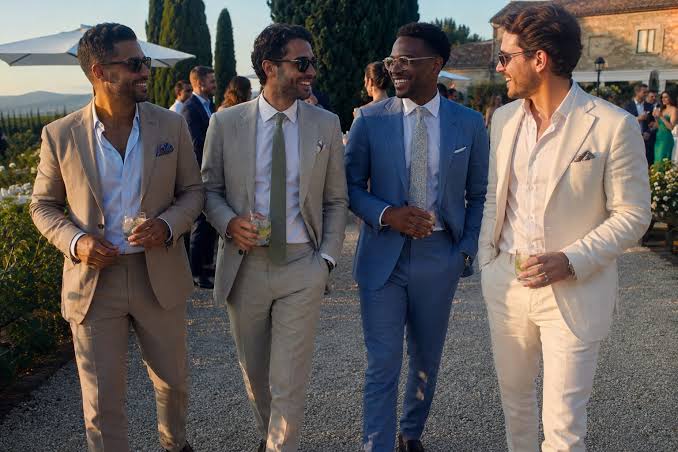
The traditional distinction between professional attire and celebratory wear has become increasingly blurred. In many settings, the line between a sharp office look and an evening event ensemble is thin. A well-constructed suit can often be separated into individual components, allowing the wearer to transition from a boardroom environment to a dinner engagement with minimal effort.
When considering a business casual custom suit, the primary factor should be the structural intent of the fabric and the cut. Choosing a material that offers both breathability and a degree of natural resilience allows the garment to maintain its shape through a full day of meetings and into the evening. A focus on fit ensures that the silhouette remains clean, while the choice of accessories—such as the texture of the shirt, the presence or absence of a tie, and the style of footwear—determines the formality of the final look.
The Role of Precision in Formal and Wedding Attire
For occasions such as wedding suits and tuxedo selection, the focus naturally shifts toward aesthetic impact and strict adherence to traditional standards. However, the mechanism of success remains the same as in business wear: fit. A tuxedo or formal suit that is tailored to an individual’s proportions creates a sense of ease that off-the-rack options often lack.
When preparing for significant celebrations, it is helpful to think about the garment as a frame for the wearer rather than just a costume. A tailor who understands how to balance the lapel width with the wearer’s shoulder breadth or how to hem trousers to perfectly graze the shoe is providing a foundation for confidence. This level of precision ensures that regardless of the formality of the event, the wearer appears balanced and comfortable, which is the most critical element of formal style.
Why Structural Balance Matters for Long-Term Comfort
The reason tailored garments feel different than mass-produced versions lies in the internal construction. A custom piece accounts for natural variations in posture, shoulder slope, and limb length that are typically ignored in standardized manufacturing. By distributing the weight of the garment more evenly across the frame, a well-made suit reduces the sensation of restriction. For individuals who wear formal or semi-formal attire frequently, this difference is significant; it is the difference between feeling like you are wearing a piece of clothing and feeling like you are wearing armor.
Navigating the Selection Process
When exploring options for a new piece, the most successful approach involves clear communication with the professional providing the service. Rather than focusing solely on current trends, a thoughtful reader should consider their own typical environments and the specific mechanics of their day.
Ask questions about the properties of different wools and blended fabrics. Inquire about the differences between full-canvas, half-canvas, and fused construction, as these internal elements dictate how a jacket will drape and how long it will retain its structure. A professional should be able to explain why a certain fabric choice might be better for an outdoor summer ceremony versus a climate-controlled winter office. Transparency regarding how the garment will be used allows for a more informed decision that maximizes value.
Reframing the Investment in Personal Style
It is often more useful to view custom clothing as a tool for efficiency rather than an indulgence. When a wardrobe is built upon a few versatile, perfectly fitted pieces, the daily process of dressing becomes simpler. A business casual custom suit that fits well can be paired with diverse textures and colors to create multiple looks, reducing the need for an excessive amount of lower-quality clothing.
Similarly, investing in high-quality wedding suits and tuxedo options creates pieces that can serve as the centerpiece for years of events. By focusing on classic proportions and high-quality materials, one creates a foundation that avoids the cycle of fast-changing styles.
The assumption that custom tailoring is only for the elite or the infrequent occasion often prevents people from experiencing the functional benefits of a garment built for their specific anatomy. In practice, the best way to approach your wardrobe is to prioritize the foundational items that provide the most utility. Whether you are seeking a daily professional ensemble or attire for a milestone celebration, the goal remains constant: to achieve a balance of comfort, proportion, and personal style that serves your lifestyle effectively. Moving forward, consider how the integration of custom-fitted elements can simplify your routine and provide a reliable, lasting base for your personal image.